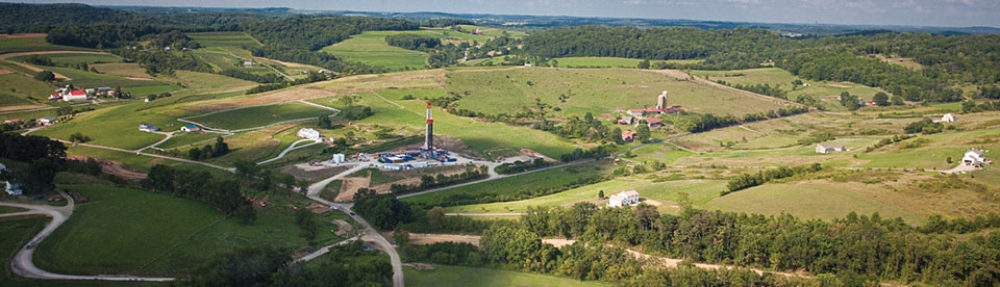
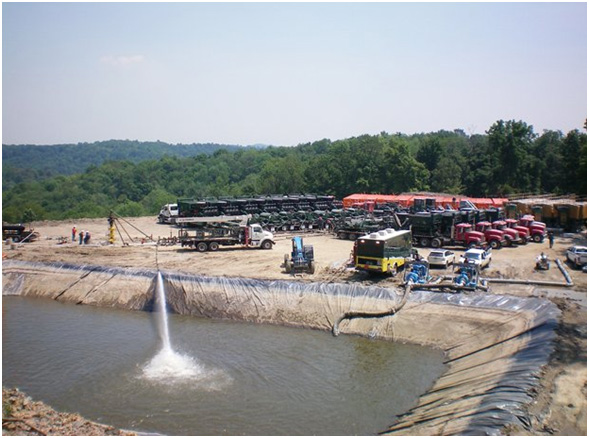
A report from the USGS shows that the quality of water in the Monongahela River Basin has not been effected by fracking. Well, not much. The groundwater quality is almost exactly the same, and surface water quality has been changed somewhat. The surface water changes, though, are probably attributable to clean up of old coal mines.
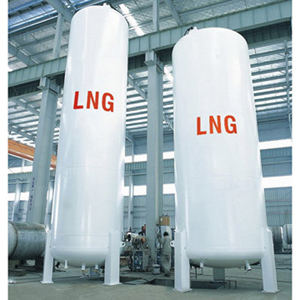
UPS is Adding 60 LNG Trucks to its Fleet
This is the kind of news we like to see! UPS is adding more Liquid Natural Gas fueled trucks to its existing fleet. The new trucks will be based in Harrisburg, PA, taking advantage of inexpensive natural gas from the Marcellus and Utica shales.
One of the main drivers behind low prices for bonuses and royalties in West Virginia right now is the fact that there just isn’t enough demand for the product. Wells are being shut in because there isn’t enough pipeline capacity to handle all the production. Local use of natural gas would help drive those prices up. Let’s see more natural gas vehicles!
It’s Time for the U.S. to Export Oil
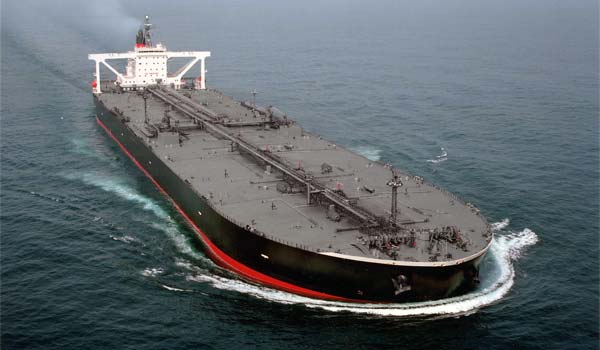
Oil producers in the United States are not allowed to export oil. It was a policy started back in the 70s with the energy crisis. I imagine that it accomplished its stated purpose at the time, it probably protected the American public from high gas prices. We didn’t have enough oil for our own needs, so shipping it abroad didn’t make much sense. Now we have plenty, or pretty close to it, and we’re looking at being able to bring a whole lot more to the surface. Exporting oil shouldn’t hurt gas prices, and according to this article over at the Council on Foreign Relations, it might even help gas prices. That statement didn’t make a whole lot of sense to me either at first, but the article makes a pretty good case. Regardless, we need to be able to ship our oil abroad.

The Latest on Oil Price Predictions
Oil prices have dropped for a couple of days because the Saudis said they would keep pumping oil to keep up with demand. Basically, if somebody wants to buy their oil, they’re going to sell it. I’m personally surprised that anybody is surprised at this. I’ll be surprised when the Saudis start to cut back on production. Why the market thinks that the Saudis want high oil prices right now is beyond me. They haven’t yet accomplished any of their (suspected) goals, except for keeping market share. U. S. shale drillers are not yet going out of business in large numbers, and Venezuela, Russia, and Iran have not been hurt enough to make any serious changes. Until those goals are accomplished, Saudi Arabia is going to keep pumping oil so that they keep their current customers.
On the other hand, experts are predicting that rig counts will bottom out in May. I think this is too soon to start bringing rigs back, as supply needs to drop and prices need to climb before more rigs become economically sound. Supply isn’t going to drop enough to justify bringing rigs back online because producers will be able to bring previously drilled non-producing wells online.
Atlantic Coast Pipeline Clears One Hurdle
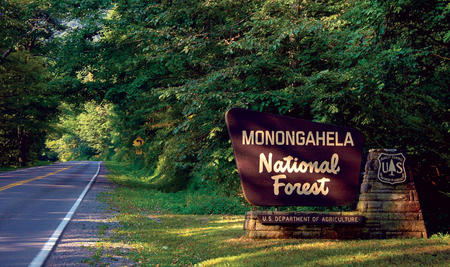
The U. S. Forest Service has approved a survey through the Monongahela National Forest for the Atlantic Coast Pipeline. The survey will take a year, and is just one in a large number of steps that the Pipeline will need to take before getting approval.
Antero’s Plans for 2015
This article over at Natural Gas Intel includes a lot of useful information about Antero Resources’ plans for the upcoming year. In short, they plan to scale back production for a while before ramping back up at the end of the year. They’ll be running 11 rigs and seven completion crews. They’re going to be holding back completion of 50 wells, waiting for prices to come back up.
This jives well with the sense that we’ve been getting about oil and gas prices and production from fracked wells, and the amount of oil and gas that is currently in storage. Sometime this summer we’ll probably see a drop off in production from already producing wells. That drop off in production will be offset by bringing wells that have already been drilled but not completed into production. As the number of drilled but non-producing wells starts to decline companies will begin to see the need to start drilling more. This need will come from completed or soon-to-be completed pipelines and energy plants. We don’t really see that need arising as early as the end of this year, but Antero probably has better research and data available to it than we do, so we’ll trust them. Look for drilling to pick back up at the end of this year.
EDIT: As of July of 2015 we began to see an uptick in the number of people calling the office with questions about leases. Surprisingly, they haven’t been from Antero. We’ve begun hearing from Mountaineer Keystone and EQT. It seems that in preparation for drilling in 2016, and after having reviewed the first half numbers, some companies have begun taking leases again.
Pipelines are the Chokepoint
There’s an interesting article over at Environment & Energy Publishing that puts forth the premise that a lack of pipeline infrastructure is what’s really slowing down the growth of shale fracking. I think they’re right. Of course, once pipelines are in place, consumption will need to increase, but consumption will increase if the pipelines can be put in place. There’s too much demand for cheap, clean energy, and natural gas offers the best balance of clean and cheap right now.
The Fracklog
Oil and gas prices aren’t going to rise astronomically in the near future. That is, unless some unpredictable market force comes into play. The reason: the fracklog.
Drillers have drilled lots of wells, but they have not turned them all on. As prices come up, drillers will turn those wells on, and prices will either drop or stabilize. There is a backlog of wells waiting to be turned on, or as Bloomberg puts it, a fracklog.
This Bloomberg article goes into more detail.
Forced Pooling is Not a Job Creator
Pat McGeehan has written another article against forced pooling, or “lease integration” or “fair pooling”, as it is also being called. He makes a number of good points, all of which could be turned into articles of their own. I’d like to take some time to address one particular point.
The proponents of forced pooling say that it will be a job creation bill. I was surprised when I heard that. It had never occurred to me that the forced pooling bill would create jobs. Having thought about it some, I’m still of the opinion that the forced pooling bill will not create jobs. Maybe it’s because I’ve worked in several different capacities in the industry, so I have a better idea of what jobs there are and the forces that drive creation of those jobs, but I simply don’t see how this will create jobs.
What forced pooling does do is make it easier to put together drilling units, making it faster and easier to drill and faster and easier to produce. One could say that that means there will be more jobs, as there will be more drilling, but it’s not ease of creating units that slows down or speeds up drilling. It’s the price of oil and gas that increases and decreases drilling. No bill making it easier to put together drilling units is going to affect oil and gas jobs the way demand does. In fact, one could argue that forced pooling will increase supply due to increased drilling, thus driving down demand.
One could also argue that forced pooling will decrease jobs due fewer landmen being needed to put together drilling units.
So I don’t see forced pooling as a job creation bill. I do, however, see it as a profit creation bill. Easier creation of units means less expense in development, and less expense means more profit. I don’t have anything against profit, a company has to make a profit to be able to stay in business. I simply dislike characterizing a legislative bill as a job creation measure when it’s actually a profit creation measure.
Oil and Gas Price Volatility
There are two interesting articles over at Bloomberg about oil prices. The first says that the United States shale oil is coming to be seen as the world’s swing producer, or in other words, it has the most control over price and availability of oil on the market. That’s good for the United States, but may be bad for prices. The United States doesn’t have the ability to just turn a spigot and produce more oil when demand increases. We have a bunch of wells drilled, but they need to be fracked and brought online, which can take months. Getting laid-off crews back together adds time to that. Not being able to respond quickly to market demand means that prices could jump a lot in a short period of time. When that happens, everybody and their dog gets back into the oil and gas development game, and within a year or two there’s an oversupply, driving prices down. The unpredictability would make for a rough time economically for most of us.
The second says that big oil companies fear a big jump in prices in the near future, which meshes well with what the first article says. Some companies are expecting low prices for at least a few years, but most companies are expecting a decrease in supply leading to an increase in price.
The United States oil and gas industry has never been known for moderating itself well. When prices rise, everyone opens the spigots and starts developing new plays. When prices drop, everyone shuts down production and abandons projects. There are very few players who work slow and steady, with a real long-term outlook. It would be good if a few more of the big companies would think long-term. I know this goes counter to the culture of getting the biggest short-term dividends for stockholders, but it would certainly be better in the long-term for everyone.