Natural gas is at $2.92/MMBtu. That’s up from a low of $2.69, and down from a high of $2.98.
Gas storage is at 3,254 Bcf, below last year’s 3,333 Bcf, but above the five-year average of 3,106 Bcf.
Drilling rigs are at 591, down from 593 a month ago, but up from the 588 which we sat at all month.
If you own a company that can make gas turbines, you’re in for a good few years.
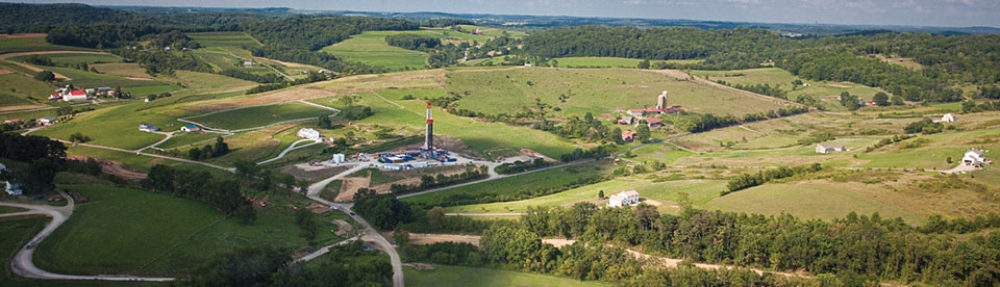
OpenAI has finalized a deal on a data center up in Ohio. The gas to run the thing will mostly come from Ohio, but it’s going to be an enormous amount (Marcellus Drilling News calculated it at 1.46 Bcf per day) of gas. That’s about 1% of our total national daily production, and all the gas that flows through the Atlantic Coast Pipeline. We’ll need a few new wells for that, including wells in West Virginia.
New York is building battery storage. The plan was to store energy when it was produced by green sources and use it when they weren’t producing. However, batteries make money by buying electricity when it’s cheap and selling it when it’s expensive. Power is cheap in the middle of the night, and the power that’s being generated at that time of night is from gas. The study estimates that in order for the batteries to buy power from green sources, they would need 20 times the amount of green energy that they have or are building.
West Virginia is taking the middle ground in data center development. It’s not giving tax breaks, but it’s taking away the power of local towns and counties to put regulations on the data center. It’s creating a new administrative board to oversee development, but stating that eminent domain can’t be used to acquire property (I love that aspect of it). It’s not a bad approach, from my point of view. I still think the data center that’s proposed for Tucker County is a bad idea because that part of Tucker County relies so heavily on tourism and a gigantic data center just outside of town is not good for tourism.
This op-ed discusses how data centers should be developed, emphasizing openness and pointing out that the thing data centers really want is a quick development timeline. It’s a very good read.
EQT released contaminated water from a drilling site up in PA a while back. They still haven’t cleaned it up. This looks bad for them. I wouldn’t be surprised if they lose some leases and well pad deals because farmers don’t want EQT working on their land.
Georgia Power has signed a contract with a data center that is actually going to lower the rate that regular consumers pay. Now that’s the way to do it!
Drillers in the Permian Basin have started using soap to get more oil out of the shale. While we’re not after oil in our part of the Marcellus, this kind of “science” is being done all the time on the natural gas wells being developed here. The producers are always looking for ways to get more product out of the rock.
The DOE is running a geothermal test well out in Utah. Geothermal could someday become a thing here in West Virginia.
Venezuela is considering exiting OPEC. If they do, that will decrease Saudi Arabia’s influence on oil prices and geopolitics.
SpaceX is building a foundry to cast gas turbines. Now is the time to do that. You can’t buy a gas turbine until 2030 right now. If you need one, you’ve got to make one.
EQT is in the very early stages of planning an interstate pipeline (linked page is behind a paywall) from Greene County, PA to the Clarington Hub in Ohio. They’re calling it the POWER Pipeline. This will take it right across Marshall County. This is an opportunity for West Virginia landowners to realize a nice payday. The starting price should be $1/inch/foot, or $42 per linear foot. This is just a starting price, as there will be plenty of opportunity to negotiate for more, either before EQT starts eminent domain proceedings or after they go to court. Their first offer is never their best offer. Also keep in mind that if you oppose their efforts from the beginning, or just ask them for a ridiculous price, they may decide to go around you. I’ve had clients do that on purpose successfully. Eminent domain complicates that, of course, but if you express your opposition early and loudly you could succeed in getting them to go around you.
The West Virginia State Treasurer’s Office released numbers reflecting the amount of tax revenue the State and Counties could expect from the data centers in Berkeley County and Putnam County. The total is $103 million per year. That’s a pretty nice chunk of change. I still think the one in Tucker County is a bad idea as their economy is built around tourism and that data center is likely to affect that.
West Virginia is suing Pennsylvania over its regulations regarding green energy tax credits, stating that the regulations make it so that West Virginia energy producers can’t sell to PA.
FERC Chairman Laura Swett talks about upcoming changes to the grid and related regulations.
The Iran war continues to disrupt oil supplies, this time shutting down the Saudi pipeline that’s transporting a small portion of the oil that tankers used to.