
UPS to Expand Use of LNG

The article is pretty short, but the news is good.  UPS will expand its use of liquefied natural gas.  They currently use about 1.5 million gallons equivalents, and will be bumping it up another 500,000, or a solid 1/3 of what they currently use.  While it’s not huge, the more use of natural gas there is the better.  It’s cleaner than gasoline and produced in ridiculous amounts here in the States.

2016’s Forced Pooling Bill has been Introduced

Pat McGeehanCasey Junkins of the Wheeling-Intelligencer reports on the forced pooling bill that’s before the West Virginia legislature this year.  There are quotes from Corky DeMarco, Pat McGeehan (pictured at right), and Tim Greene.  We’re happy to note that the article quotes McGeehan as saying that there is “stern opposition” to the forced pooling bill.  Mr. McGeehan is the leader of the opposition as far as we can tell, and we wish him luck and continued success in his opposition.

Please contact your legislators about this bill.

Parkersburg Cracker Plant News

Cracker Plant

The proposed cracker plant for Parkersburg, WV is showing some more signs of life.  WV Department of Commerce Secretary Keith Burdette said that Odebrecht is expected to buy more land on site (link requires sign-in to read article) during this quarter of the year, so in the next two months.  While we still can only hope to be pleasantly surprised when/if they make a final decision, buying up property is a sign that there may be good news when that happens.

Royalty owners should all be pushing their legislators to do something to encourage Odebrecht to build this plant.  Turning the raw material into a more refined product before sending it out of state will bring more jobs and more stability to West Virginia’s economy.  That’s something we should all encourage.  Call or write your legislator.

Possible Alkylate Plant, Electric Plant

refinery-alkylation-unit-390

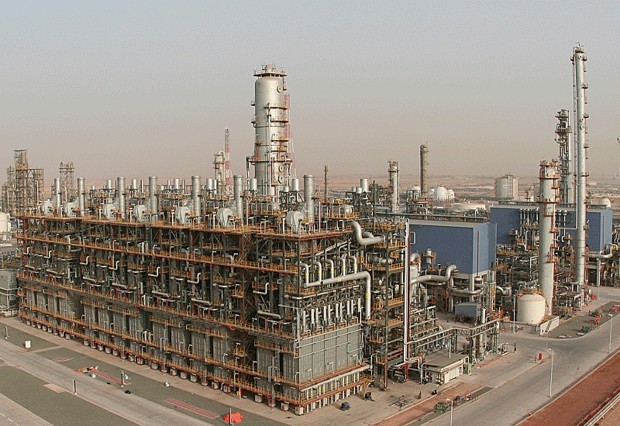
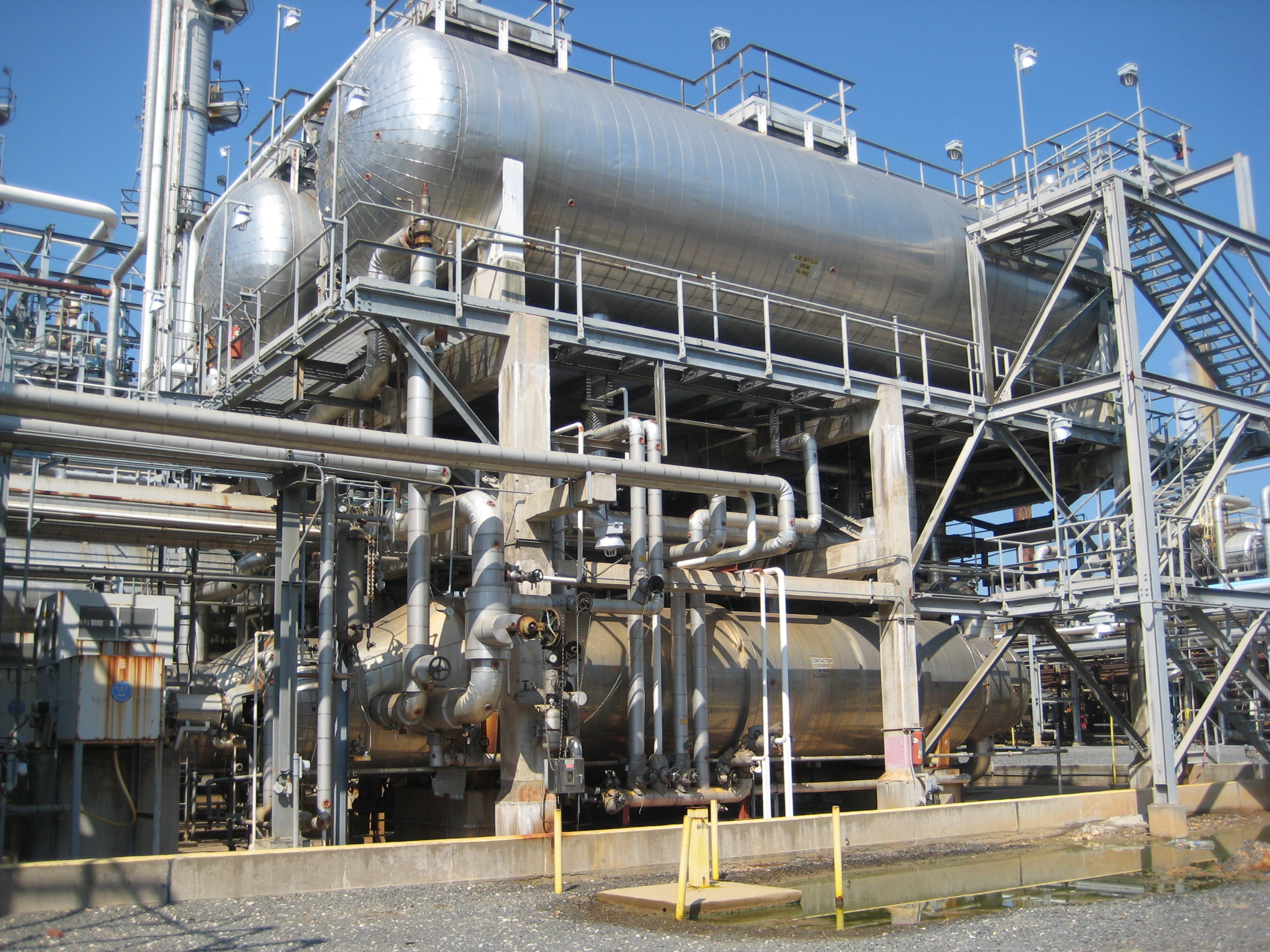
One of the things that made the Marcellus shale so exciting for producers at the beginning of the Marcellus boom was that it was rich in natural gas liquids, including ethane, pentane, propane, and butane.  The latter can be refined into alkylate, an octane booster.  It is “key for cleaner burning gasoline” (.pdf).  More on mixing gasoline here.  So, changing butane to alkylate will help alleviate some of the environmental issues with burning hydrocarbons.  It won’t end it, of course, because hydrocarbons are still being burnt, but it will help.  Just another way that natural gas is helping improve things here in the good old U. S. of A.

All that said, MarkWest and Marathon are thinking about building an alkylation plant somewhere near an existing MarkWest plant in Jewett, Ohio.  Yes!  The more the merrier.  Use that natural gas up close to home.

On a related not, there’s a proposal to build a 550-megawatt gas-fired power plant in Elizabeth Township, PA.  The unusual thing about this plant is that the location is a contaminated industrial landfill.  Putting an energy plant on this site would be an excellent use of a bad resource.  It would kill two birds with one stone, putting to use difficult-to-use property and using abundant and cheap local natural gas to create needed electricity.

We hate to see the natural gas produced here in West Virginia not being put to its highest and best use.  Turning it into a final product close to home is much better than shipping it away as a raw product.  Now if only we could get a few more of these chemical plants, cracker plants, energy plants, and refineries located inside West Virginia.


State of the Oil and Gas Industry

We’re not sure what to think about this Forbes article.  Allen Gilmer makes some very interesting points, including the fact that we have an oversupply of 2% in a world where we have a hard time measuring oil supplies accurately within 5%, and that U.S. drilling equipment won’t ramp up quickly because the equipment maintenance has been deferred in preference to keeping the business going.  He gives all the influence in oil markets to the Saudis, when we think that the U.S. will be able to influence prices pretty quickly once they start to rise.  But who died and made us experts, anyways?  The article is worth the read, even just to make you think a little differently about the state of oil and gas.

Andrew Hecht at Seeking Alpha has to point out the obvious, again, and probably will continue to point it out for the next year or so.  There is way too much gas in reserve and drilled (or fracked) but unproduced to allow gas prices to go up much.  It’s bad news for royalty owners.  It’s also a good argument for West Virginia mineral and royalty owners to make to their legislators when trying to convince them to vote against forced pooling; why force someone into a lease in this climate when waiting a few years should bring a better bonus and royalty?

Gaurav Sharma points out in a Forbes article that Iran might discount it’s oil in order to win back its previous European customers.  Anyone want to guess what that will do to oil prices?  Even though Iran is unlikely to produce more than 500,000 more barrels of oil in the next year, the Saudis will cut prices just to spite Iran.

Casey Junkins at the Wheeling Intelligencer put together a good article showing just how much natural gas we are producing from West Virginia compared to historical numbers.  Spoiler: it’s a lot.

Long and short, we’re going to see low energy prices for at least the rest of 2016, and maybe for all of 2017.  After that, it’s anybody’s guess.  Of course, oil and gas prices can be affected by things like wars and natural disasters,


China Buys Crude Oil from the U.S.

030629-N-4790M-003 Central Command Area of Responsibility (Jun. 29, 2003) -- Commercial oil tanker AbQaiq readies itself to receive oil at Mina-Al-Bkar Oil terminal (MABOT), an off shore Iraqi oil installation. AbQaiq is the first commercial vessel to receive a post-war shipment of crude oil for export at Mabot. AbQaiq is scheduled to take on an estimated 2 million barrels of crude oil. U.S. Navy and coalition forces are helping to provide security, enforcing an exclusionary perimeter around the terminal. U.S. Navy photo by Photographer's Mate 2nd Class Andrew M. Meyers. (RELEASED)

The Chinese refiner, Sinopec, bought 600,000 barrels of oil from a U.S. firm, and the shipment left a port in the Gulf Coast.  The number isn’t large, but Sinopec’s statement regarding the purchase is.  Sinopec said that it was buying from the U.S. in order to diversify its source of oil.  So in spite of the fact that Saudia Arabia is willing to pump and sell as much oil as anyone wants to buy, Sinopec wants to buy from other sources.  That indicates that there will be an available, if small, market for U.S. oil.  Hopefully that will be enough to keep some U.S. fracking companies above water.  In the meantime, we can only hope that decreased prices for oil will lead to increased utilization and decreased investment in high-cost drilling programs, which will eventually decrease the oversupply and drive prices back up to a slightly more healthy level.

6,300 Megawatts of Natural Gas Fired Electricity Proposed for Ohio

Dynegy Inc. has proposed to build 6,300 megawatts worth of electricity power generating plants in Ohio.  The plants would be fired by natural gas.  That natural gas would come, naturally, from the Utica and Marcellus shales.

Other details are scant, as the article is more about the competing bids by other power generating companies and the associated drama.

West Virginia could use a few more natural gas powered electric plants.  We have several in progress in the northern panhandle and Harrison County.

Stonewall Gathering Line Increases Royalties

IM000716.JPG

This article over at Natural Gas Intelligence covers a few topics and is worth the read.  The most interesting point to us was that the Stonewall Gathering Pipeline, which went into service in December 2015, has already impacted revenues for Antero Resources, and has therefore impacted royalty checks.  A few more pipelines would make a big difference to all the royalty and mineral owners in West Virginia.

Pipeline Explosion in Robertson County, TX

james_cemetery_gas_explosion_guthrie_8101 (1)

We are big proponents of the pipeline projects here in West Virginia.  We need them in order to utilize the massive volumes of gas that we have.  However, pipelines come with some amount of risk.  Everyone who has a gas pipeline near them needs to know what could happen.

In Robertson County, TX, a pipeline ruptured and then exploded last Saturday.  A man and his son were hunting within 100 yards of the rupture.  They are lucky to be alive.

If you live close to a pipeline, you should have a contingency plan for what to do if it ruptures.